Journal

Six Years of Growth: A Chapter Closes, A New One Begins

As I sit here reflecting on the last six years, it feels almost surreal to say that this chapter of my life is coming to a close. What began as a tentative step back into education has turned into a journey of deep growth—personally, professionally, creatively, and politically. For those of you who have been with me since the early days of blogging about our home education journey, you’ll know that learning has always been woven into the fabric of my life. But this past six years has brought about a transformation I never expected. One that has shaped not only who I am as a person, but also how I approach my work, my activism, and my passion for photography.

The Beginning of the Journey

Six years ago, I made the decision to go back into education. It wasn’t an easy decision—I was juggling work, home education, and the everyday demands of life. But something inside me knew it was time to carve out a new path for myself. At the time, I felt a deep need to explore photography, to challenge myself creatively, and to learn how to tell stories with my camera. Looking back now, it’s amazing to think that this journey began as a quiet thought in the back of my mind—one I wasn’t even sure I had the right to pursue.

My home education journey was a huge part of what motivated me. Watching my own children learn in an environment where creativity and curiosity were encouraged inspired me to take a similar approach to my own learning. I wanted to dive into topics that mattered, challenge the status quo, and not only learn—but use that knowledge to make an impact.

From Photographer to Visual Journalist

When I started, I thought the journey would simply be about becoming a better photographer. I wanted to learn how to use my camera properly, to capture moments with more skill and intention. But as time went on, my path shifted in ways I never expected. Photography, once just a way to document life, became the foundation for something far bigger—a gateway into visual journalism.

It’s incredible to think how far things have come. What began as a passion for taking photos developed into an ability to tell full stories—not just through images, but also through video, writing, and research. I never imagined I’d go from shooting eBay product photos to creating short-form narrative documentaries or writing articles with facts, figures, and ethical framing.

The camera became more than a tool. It became a way to explore, investigate, and narrate stories about resilience, empowerment, and injustice. That evolution—from photographer to visual journalist—has changed me. It still surprises me.

The Palestinian Flag: Why I Took It On Stage

This week, I graduated—and I took the Palestinian flag with me on stage.

It wasn’t for show. It wasn’t performative. It was a deliberate, deeply personal act—one rooted in six years of growth, grief, defiance, and solidarity.

The truth is, my decision to pursue a Master’s degree was directly influenced by Palestine. During my BA, I watched Gaza being bombed again and again, and I felt paralysed. I didn’t yet have the tools to respond with the weight and care that the situation deserved. I wanted to speak up, but I didn’t know how to do it properly. I was overwhelmed by the complexity, but underwhelmed by my own ability to do anything beyond feeling. That powerlessness stayed with me—and became fuel.

I came back to education because I wanted to do more than care. I wanted to document. To uncover. To create visual work—through photography and videography—that could carry emotional truth and political weight. I wanted to learn how to tell stories that held institutions accountable and honoured the people living through occupation, dispossession, and violence.

Graduation stage walk 16/07/2025

Over the past six years, I’ve worked alongside Palestine activists in the UK. I’ve photographed protests, filmed speeches, documented vigils. I’ve listened, observed, and tried to capture the emotion behind the banners—the generational grief, the resistance, the fierce joy in standing together. I’ve also brought that same energy into the studio, where storytelling lives in the eyes, the gestures, the tension between what’s said and what’s felt.

But the turning point for me wasn’t just here. It was watching the Palestinian journalists in Gaza. Young, often unpaid, often risking everything. They didn’t have the luxury of neutrality. They documented while the bombs were falling. They died with their press vests on. Their bravery, their storytelling, their refusal to stop—even when the world looked away—shaped me more than any textbook ever could.

They taught me that journalism isn’t just about capturing what’s happening. It’s about standing where it matters. It’s about carrying the story when others bury it.

So when I walked across that stage, holding the Palestinian flag, it wasn’t symbolic. It was sacred. It was for the journalists who’ve been silenced. For the activists who trusted me. For every child I’ve seen named on a placard. For every parent still searching for justice.

It was for my daughter—named after the olive trees of Palestine—whose name carries both rootedness and resistance.

And it was for the version of me who once held her camera but stayed silent. I’m not silent anymore.

I carry Gaza in my work. Always. And I always will.

Challenges and Triumphs

These six years haven’t been easy. Balancing study with work, parenting, and constant financial pressure often felt overwhelming. I worked seven days a week—studying during the week and working at Andrew Wood Photography Boudoir studio on weekends. I’m pretty sure the kids have almost forgotten what I look like!

Living off student loans was incredibly difficult. My part-time job helped, but it was still a constant juggle. And then there were things like my gear getting stolen. That felt like a massive setback. But even then, strangers on Instagram sent kindness—a box of CBD tea, words of encouragement, solidarity I’ll never forget.

The support from people online, especially those who’ve followed me from the beginning, has been incredible. You cheered me on when I was invisible elsewhere. You reminded me I wasn’t alone. That meant everything.

And there were triumphs, too. I started exploring themes of empowerment, resilience, and activism in ways I never imagined. Each project taught me something new—about the world and myself. Whether I was working on social issues, photographing with purpose, filming with honesty, or writing from a place of truth—I kept growing. I could feel it.

The People Who Helped Shape My Journey

This journey wasn’t just mine. So many people helped shape it.

Anne, my first lecturer, was only with me for a term but left a lasting impression. She was the first to really believe in me. Kevin Linnane guided me through some of the tougher parts of the course. I owe him a lot.

Shaun Baggaley, Director at Oldham Library and Art Gallery, gave me the opportunity to photograph the restoration of the old library—a project that now forms part of Oldham’s documented history. He later commissioned me to photograph all the libraries and community groups across Oldham for their new website. That trust meant so much.

Joshi Herrmann from The Manchester Mill let me tag along during the early days of the pandemic. That hands-on exposure to reporting made me fall in love with visual journalism in a whole new way. He believed in me before I had any formal training.

The Sophie Hayes Foundation allowed me to photograph the Freedom Quilt Project—another deeply meaningful piece of work.

And I can’t forget Ronke Joseph, my childminder and absolute lifeline. Without her, none of this would have been possible. From early mornings to late nights and weekends, she was always there for my kids. She’s become like a second mum to the twins and a constant in our lives.

Then there’s Sharron Lovell, my Master’s supervisor. One of the most intelligent, driven, compassionate human beings I’ve ever met. She pushed me harder than anyone else, but always with care. Her guidance is a huge part of why I made it this far.

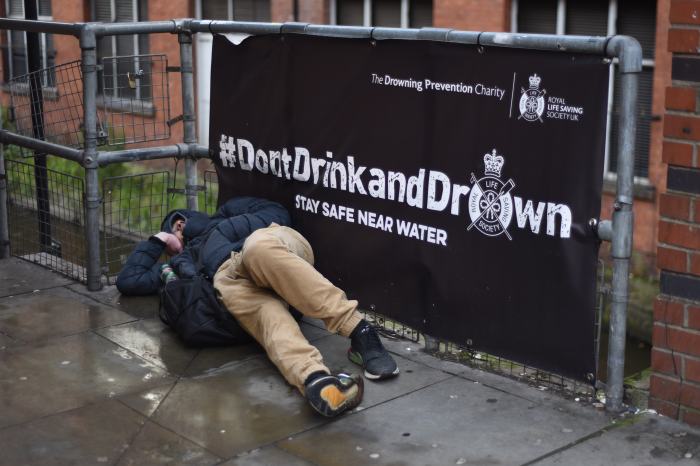
Most importantly, I want to thank the people who trusted me to tell their stories. Sophie the peg loomer. Chrissie, who let me share her SEND and home ed journey. Oldham Street Angels who shared their work looking after people in the Oldham night time economy and the volnerable on the street. The activists, the mothers, the campaigners. Every single person who opened up their lives to me—you are the heart of this work.

Lessons Learnt

Six years in education—especially while parenting and working—teaches you a lot.

I’ve learnt that storytelling isn’t just about the medium. It’s about the connection—between you and the subject, you and the audience, you and the truth.

I’ve learnt that writing is as important as visuals. In fact, documenting my ideas, plans, and reflections became essential to the creative process. Writing used to feel secondary, but now it’s central to how I tell stories.

I’ve learnt the value of organisation. I thought I was organised because of life with twins—but this journey demanded a new level. Project timelines, file management, client shoots, research—it all had to come together.

I’ve learnt to get comfortable being uncomfortable. That’s where the real growth happens. Some of my best work came from moments of doubt or fear. It taught me to trust the process.

I even fell in love with research—something I never expected. Finding the facts and context that give stories weight has become one of my favourite parts of the job.

But the biggest lesson? You never grow alone. Every step forward came from someone’s belief, someone’s kindness, someone’s trust.

A Pause Before the Next Chapter

After six years of relentless work and study, I’m finally giving myself permission to pause. The house needs attention. My brain needs rest. The kids need presence. I need stillness. Just for a little while.

But this isn’t the end.

It’s just a comma in the sentence. A turning of the page.

What comes next might not be fully written yet—but I know it’ll involve community, creativity, truth-telling, and impact. I’ve built the foundation. The stories are still coming.

To everyone who walked this journey with me—thank you. From the bottom of my heart.

This graduation, this flag, this chapter… it belongs to all of us.

Revealing the Shocking Conduct of Ross Markall, Director of iO Associates, During Recent Protest

Manchester, September 1, 2023 – On a day that will be etched into our memories for its disturbing events, I am compelled to shed light on the shocking behavior of a prominent figure, Ross Markall, the Director of iO Associates. This incident unfolded during a protest organized by Palestine Action at the old Express Building in Manchester, which houses iO Associates, a recruitment consultancy.

As I documented the protest, I found myself subjected to a violent assault by none other than Ross Markall himself. The protest aimed to draw attention to iO Associates’ recruitment efforts for Elbit Systems staff, a matter of grave concern for many.

In a turn of events that no one could have anticipated, Ross Markall approached me from behind and forcibly pushed me towards a nearby wall. Miraculously, I managed to maintain my balance, thanks to the support of the wall. However, this was just the beginning of a distressing sequence of events.

Ross Markall then turned his aggression towards a protester, unleashing a frightening display of physical violence. The footage captured during this moment is chilling, illustrating the rapid escalation of tensions during protests.

What sets this incident apart is that my 14-year-old daughter was present and recording the incident on her phone. Understanding the importance of transparency and the need to document events, she was determined to capture the truth. Tragically, her commitment to truth-seeking angered Ross Markall. In an inexplicable act of aggression, he seized her phone and ruthlessly smashed it on the ground.

Ross Markall’s behavior during this protest raises serious questions about accountability, lawful conduct, and the responsibilities of individuals in positions of authority. The fact that he, as the Director of iO Associates, would resort to violence in a public setting is deeply troubling.

Press freedom is a cornerstone of democracy, ensuring that the public has access to unfiltered information. Journalists should be able to work without fear of intimidation or violence. The incident involving Ross Markall challenges these principles and highlights the urgent need to protect press freedom and the safety of journalists.

Despite multiple camera angles capturing Ross Markall’s actions, it is bewildering that authorities have not pursued charges against him. This leaves us with critical questions about accountability and the rule of law.

This incident outside iO Associates serves as a stark reminder of the importance of safeguarding press freedom and holding those who threaten it accountable. As a society, we must not let such incidents go unnoticed or unpunished if we are to uphold the principles that underpin our democratic values.

It is essential that we collectively stand against any form of violence or aggression, regardless of the individual’s position or influence. Our commitment to press freedom, transparency, and the safety of journalists is non-negotiable.

Watch the shocking incident unfold below in the following video

Avoiding expoitation and Safety advice for models


For a number of years I have watched new models come and go and I have heard a lot, and I mean a lot of horror stories from models experiencing some not so pleasant situations. With the rise of facebook groups promising work for models I feel this post is more than necessary right now.

Exploitation

Company X is a startup clothing brand that wants to promote its products through a photoshoot. They reach out to a modeling agency and ask for models to participate in the shoot. Company X promises the models exposure on their social media and website in exchange for their time and work.


The exploitation of models by companies offering exposure in exchange for their work is unfortunately a common problem in the modeling industry. Here’s an example of how this could happen:

The problem with this scenario is that exposure does not pay the bills or compensate the model for their time and expertise. Models are professionals who should be paid for their work, just like any other professional. Exposure may lead to more visibility for the model, but it doesn’t guarantee future work or income.

Furthermore, companies like Company X are taking advantage of the power dynamics in the modeling industry. Models often feel pressure to accept unpaid work because they fear missing out on potential opportunities or damaging their reputation if they refuse.

To avoid exploitation, it’s important for models to know their worth and to advocate for themselves. This includes:

  • Knowing their rates and not accepting work that doesn’t meet those standards
  • Working with reputable agencies that prioritize their models’ well-being
  • Speaking up and setting boundaries when approached with offers that seem unfair or exploitative
  • Educating themselves on the industry and their rights as models

Additionally, companies should prioritize ethical practices and pay models fairly for their work. Exposure should never be used as a substitute for fair compensation. By working together, we can create a more equitable and respectful modeling industry.

Fake Photographer Scams

Models can be scammed by fake photographers in a number of ways. Here are a few examples of how it can happen:

  1. False advertising: Fake photographers might advertise on social media or online classifieds, claiming to be professional photographers with a portfolio of work. They might offer low prices to entice models, and once they receive payment, they disappear without providing the promised photos or services.
  2. Soliciting inappropriate content: Some fake photographers might use modeling opportunities as a pretext for soliciting inappropriate content or behavior from models. They might pressure models to engage in inappropriate or unsafe behavior during photoshoots, or ask for revealing or explicit photos that they can use for personal gain.
  3. Misuse of photos: Fake photographers might misuse photos of models for their own personal gain, such as using them for online scams, identity theft, or fake social media accounts.

To avoid being scammed by fake photographers, models can take several steps:

  1. Research photographers before agreeing to work with them: This includes checking their website and social media accounts, reading reviews, and asking for references.
  2. Set clear expectations: Models should communicate their boundaries and expectations with photographers before agreeing to work with them. This includes discussing the scope of the project, compensation, and the types of photos that will be taken.
  3. Bring a chaperone: It can be helpful to bring a trusted friend or family member to photoshoots as a safety measure.
  4. Trust your instincts: If something seems off or uncomfortable during a photoshoot, it’s important to trust your instincts and speak up.
  5. Educate yourself: Models can educate themselves on industry standards and practices to better protect themselves from scams and exploitation.

Overall, models should prioritize their safety and well-being when working with photographers. By being informed and taking proactive steps to protect themselves, models can avoid being scammed by fake photographers.

TPF Scams

The rise of TFP (Time for Print) scams on Facebook is a growing concern in the photography community. TFP is a term used by photographers and models to describe a trade arrangement where a model poses for a photographer in exchange for prints or digital images of the photos taken.

In TFP scams, individuals or groups posing as photographers or models offer to collaborate with others on Facebook, promising them high-quality images for their portfolio in exchange for their time and modeling skills. However, once the shoot is completed, the promised images are never delivered, or they are of poor quality and unusable.

These scams are not only unethical but also damaging to the photography industry as they erode trust and reputation. To avoid falling victim to TFP scams, it is crucial to research the photographer or model and verify their credibility before agreeing to a shoot. Look for reviews, portfolios, and past collaborations, and be wary of deals that seem too good to be true.

Moreover, it is essential to have a written agreement outlining the terms of the shoot, including the number of photos, the format of the images, and the timeline for delivery. Communication is also key, and photographers and models should be transparent about their expectations and limitations before agreeing to collaborate.

In conclusion, the rise of TFP scams on Facebook is a serious issue that requires vigilance and caution from photographers and models. By doing proper research, establishing clear communication, and having a written agreement, photographers and models can protect themselves from falling victim to these scams.

Campaigns against exploitation of models and Photographers

There are several campaigns in the UK aimed at improving protections for self-employed workers, including models and photographers who may be asked to work on a Time for Prints (TFP) basis. TFP work is where the model or photographer provides their services in exchange for prints or images, rather than payment. While this can be a useful way for freelancers to build their portfolios, it can also be open to abuse and exploitation. Here are some campaigns that focus on improving protections for self-employed workers doing TFP work:

  1. The Model Manifesto: This campaign, led by the models’ union Equity, calls for better working conditions and protections for models in the fashion industry. One of their demands is for clearer guidelines and protections for models working on a TFP basis.
  2. Freelancers Make Theatre Work: This campaign, led by the Freelancers Make Theatre Work collective, calls for better pay and working conditions for self-employed workers in the theatre industry. They have highlighted the issue of TFP work and are calling for clearer guidelines and protections for freelancers working in this way.
  3. The Freelance Photographer’s Rights: This website provides information and resources for freelance photographers, including advice on contracts, copyright, and legal issues. They also have a section on TFP work, including information on how to protect your rights as a freelancer.
  4. The Freelance Writer’s Handbook: This book, written by Tim Dawson and published by the National Union of Journalists, provides practical advice and guidance for freelance writers and journalists, including information on contracts, rates of pay, and working conditions. While not specifically focused on TFP work, it provides useful information on how to negotiate fair contracts and protect your rights as a freelancer.

Overall, these campaigns and initiatives aim to raise awareness of the issues facing self-employed workers, including models and photographers, who may be asked to work on a TFP basis. By advocating for clearer guidelines and stronger protections, they hope to create a fairer and more equitable working environment for all.

How can you become a better photographer?

Learning photography can be a rewarding and enriching experience. With the right approach and guidance, anyone can develop the skills needed to take stunning photographs that capture the beauty and essence of the world around us. Here are some tips and techniques for learning photography that I give to my students.

  1. Start with the Basics Before you start taking photos, it’s important to understand the basics of photography. This includes learning about exposure, aperture, shutter speed, and ISO. Understanding these concepts will give you more control over your camera and allow you to create the effects you want.
  2. Experiment Once you have an understanding of the basics, it’s time to start experimenting. Take your camera out and start playing around with different settings and compositions. Try taking photos at different times of day and in different lighting conditions. Experimentation is key to developing your own style and finding what works for you.
  3. Learn Composition Techniques Composition is an important aspect of photography that can take your photos to the next level. Learn about the rule of thirds, leading lines, and other composition techniques that can help you create more interesting and engaging photos.
  4. Study Light Understanding light is crucial in photography. Pay attention to the quality, direction, and color of light. Learn how to use natural light to your advantage and experiment with artificial lighting as well.
  5. Edit Your Photos Editing your photos is an important step in the photography process. Even the best photographers edit their photos to enhance their beauty and make them look their best. Learn basic editing techniques using software like Lightroom or Photoshop.
  6. Get Feedback Sharing your photos with other photographers and asking for feedback is a great way to learn and improve. Join photography groups on social media or attend local photography clubs and events. Getting feedback from others can help you identify areas for improvement and give you new ideas for your photography.
  7. Learn from Others There are many resources available for learning photography, including online courses, books, and videos. Take advantage of these resources to learn from other photographers and gain new insights into the craft.

Learning photography is a journey that requires patience, practice, and dedication. With the right approach and mindset, anyone can develop the skills needed to take stunning photographs. Remember to enjoy the process and have fun along the way, if you need some help and think my photography lessons could help you speed up the process, don’t hesitate to get in touch.

Can Documentary Photography Be Art?

This is one question I have grappled with for the past four years throughout my studies, can documentary photography be art? I have experimened, read, watched and listened, and I have finally found the answer that I am happy with.

Ven Sharmaine – The fruit bowl

There is a lot of debate surrounding the topic of documentary photography and its status as art. Some people believe that documentary photography can never be art, while others think that it can be a very powerful tool for expression. Ultimately, the answer to this question comes down to personal opinion.

1. What is documentary photography?

Documentary photography is a form of photography that captures real life events and moments. It is often used to capture news events and to tell a story. Documentary photographers often have to be very quick to capture a moment, as it may only happen once.

2. What is art?

What is art? This is a question that has been asked throughout history, with no clear answer. Some people believe that art is simply something that is beautiful or pleasing to look at, while others believe that art is more than that – that it has a deeper meaning. There is no right or wrong answer to this question, and it is up to each individual to decide what they believe art is.

Ven Sharmaine – Look for the answer from within

3. What are the differences between documentary photography and art?

There are various differences between documentary photography and art. One of the most notable distinctions is that documentary photography is typically more objective, while art is often more subjective. Additionally, documentary photography is typically more journalistic in nature, while art is more about creative expression. Another difference is that documentary photography is often about capturing real-world events or scenes, while art can be more fictional or abstract. Finally, documentary photography is often meant to inform or educate the viewer, while art is often intended to provoke thought or emotion.

4. Can documentary photography be art?

There is no easy answer when it comes to whether documentary photography can be considered an art form. On one hand, the photographer is capturing a moment in time that is real and unscripted; on the other hand, the photographer may be staging certain shots or manipulating the images in post-production. Ultimately, it is up to the viewer to decide what constitutes as art. Some may find a documentary photograph to be more compelling if it is unedited and tells a true story, while others may appreciate the creative elements that the photographer has added. What is important is that the viewer feels something when looking at the photograph, whether it is sadness, happiness, anger, or joy. If the photographer has succeeded in creating a powerful image that stirs up emotion, then they have accomplished what they set out to do.

5. What makes documentary photography art?

There are many debates surrounding what makes a photograph art, and documentary photography is no exception. Some people argue that the photographer’s intent or subject matter is what makes a photograph art, while others believe that it is the overall composition and aesthetics of the image that make it worthy of the title. There are also those who maintain that it is the photographer’s ability to evoke an emotional response from the viewer that separates art from photography. Ultimately, there is no definitive answer and the debate will likely continue to rage on. However, what is clear is that documentary photography can be a powerful tool for creating art, and that the line between the two is often blurry.

Ven Sharmaine – No Stupid People

6. How has the definition of art changed over time?

The definition of art has changed over time as different cultures and societies have created their own definitions. In Ancient Greece, art was considered to be the imitation of nature. This meant that sculptures and paintings were meant to look like the things they were portraying, such as people or landscapes. In the Middle Ages, art was considered to be a way to tell religious stories. This meant that paintings and sculptures often depicted religious scenes. During the Renaissance, art was considered to be a way to express oneself. This meant that artists began to create paintings and sculptures that showed their own personal styles. Today, the definition of art is still changing as new forms of art are created.

7. What are the implications of documentary photography being art?

There are many implications of documentary photography being art. To start, documentary photography can be seen as a form of art because it often tells a story or presents a view of the world that is not typically seen. Additionally, documentary photography can be used to raise awareness about issues that are important to the photographer or the community they are documenting. Finally, documentary photography can be used to create a sense of nostalgia or capture a moment in history that would otherwise be forgotten.

In the end, it is up to each individual to decide whether they believe documentary photography can be art. There are definitely some very powerful examples of this type of photography out there, and it can be a very effective way to communicate a message or story. However, it is important to keep in mind that this type of photography is not always going to be successful, and it is not always going to be considered art by everyone.

Weddings, Hitler and Halloween

The week started with a Wedding to photograph. Weddings make me kind of nervous, I always say I would never do weddings, such is the huge responsibility, but I caved in as this was a wedding of a client I have worked with for a while on his urban sportswear brand. 

I actually secretly quite like photographing weddings because I love the cuteness of the children and their smart attire, the amazing opulence of the hand beaded dresses that would have taken a very long time to make. I also love the atmosphere at weddings, the joy and upbeat emotions swirling around with people hugging and the pure love that can be felt all around.
I have done a lot of research lately for my essays, looking at documentary photographers, I came across Leni Riefenstahl, best known for her German propaganda films during WW2, Triumph of the Will being one she was most famous for and Olympia Festival of Nations (1936). 

Leni was primarily a filmmaker and due to her association with Hitler became a controversial figure. Her imagery is beautiful and feels quite haunting, especially her images of the Olympic athletes.
Politics within photography is a longstanding debate and one I have heard a number of times due to my documentation of protests. The particular question of 'can photographer’s influence politics' arises. It appears apparent to me that Photography is political and can be political even if not intending it to be. 

I have heard in interviews with photographers saying they are not political. Mishka Henner a Dutch artist living in Manchester being one such photographer. 

I went to see Misjka's exhibition of his Feedlots work, he stated that he is not an activist similar to Leni Riefenstahl who stated that there was no explicitly stated political agenda in her work. Leni was never an official member of the Nazi party but she was the subject of four denazification proceedings and although she was never prosecuted she was branded a Nazi sympathizer and was always seen in association with the propaganda films she made during the Third Reich which had a profound effect on her career. (Wikipedia) 

While Both Leni and Mishka claim to not have any political aims with their work, it is clear that their work has ended up being political in some way, it leads me onto thinking more about what exactly is political imagery? What makes an image political in nature? What responsibilities (if any) do I have as a documentary photographer?
I also attended a Palestine action protest this week which I regularly attend as one of my ongoing projects. Lokey the British rapper and activist from London attended and was performing when one of the Palestine Action Activists known as Joe Wilks (@joewilkesmusic) gained entry to the roof of the Elbit factory and fell through the roof and broke his ankle, which I caught on camera. 

I was quite apprehensive about posting the video and only posted it once I knew the activist was safe and he had come to relatively little harm. I had to consider what the ramifications where or could be of posting the video. I find this something I am increasingly aware of when it comes to protests, what you post can shape peoples views, is this a moral issue or a political one, or both, I am not sure at this point.
On that harrowing note of politics it brings me onto Halloween. To finish off on a positive note we always go to Muncaster Castle for Halloween and this year was no different, I usually take this moment to capture one or two images of course and I wasn't disappointed.