
Families plead for help:-
Undervalued Grandparent Kinship Carers plead for more support from the Government
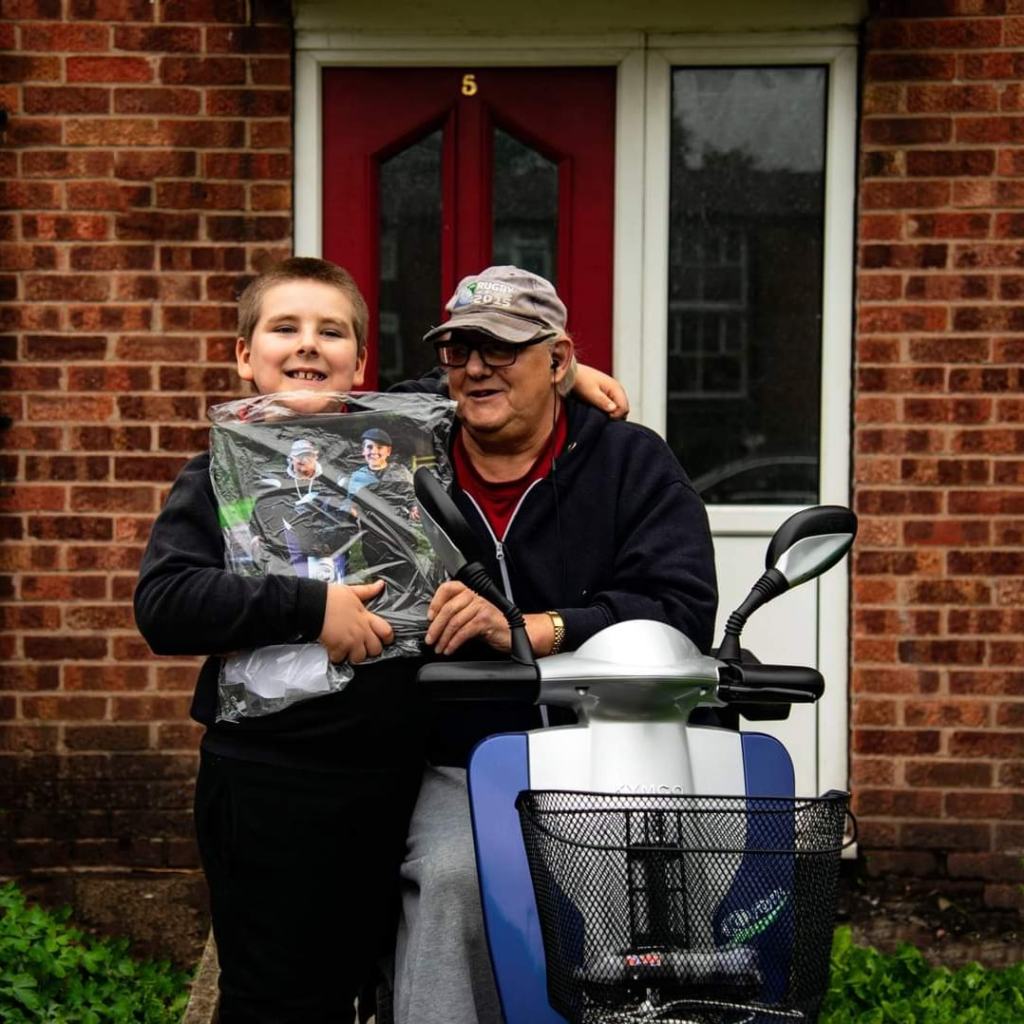
“You are like a magical angel” declares a quiet voice from the top of the stairs. This declaration comes after a frantic search for dance shoes and is directed at 69 year old Sue, a Grandparent and Kinship carer to her 11-year-old GrandDaughter. Sue often helps find her granddaughter’s belongings that get ‘lost’ around the house, as Sue usually knows where most lost belongings were last left.
Sue is one of a growing army of Grandparents up and down the country, looking after their grandchildren full-time. There are estimated to be more than 162,000 children in England and Wales being brought up by family or friends. Research from charity Kinship in The cost of loving annual survey of kinship carers 2022, highlights the financial insecurity faced by many kinship carers, and their concerns for the health and wellbeing of themselves and their children. Nick Whitbread, assistant Director of Oldham Council who works on the corporate parenting side of Children in foster care and residential care explains, “Contrary to what is read in the press, Social Workers cannot just go in and remove children, there is a huge process that they have to go through”, There has to be a real worry about a child and even then the concern must meet a certain threshold.
The process is a lengthy process with plenty of checks and balances with Universal care services such as schools, children’s sure start centres, early help for families, and a whole raft of other agencies before a child becomes involved with social services. Once a child has been referred to social services and assessments are undertaken, if no changes can be realised within the family this can lead to a care order that is later replaced by a special guardianship order. Nick explains “ under regulation 24 of the fostering regulations, you need to have a care order on the child”. An interim care order is then initiated with a plan to place the child with the grandparent. The grandparents are assessed and could become the permanent home for the child. Nick goes on to say “ The legal way into this is a special guardianship order, it is a bit like a halfway house, between adoption and long-term fostering”. Once the care order is replaced by the Special Guardianship Order (SGO) there becomes less support available, the state doesn’t have to hold care plan reviews so there is less involvement by the state, unlike a foster carer where regular review meetings are held or no meetings at all after adoption, the local authority can take a backward step. Under an SGO parental responsibility is shared between the birth parent and the special guardian.
Special Guardianship Order (SGO) is the legal arrangement that is in place for Sue and her Granddaughter, the order allows Sue and her granddaughter to live relatively free of Social Services involvement. Sue states “I had to give up a £25,000 a year job, I thought I’m not going to have them going into the system”. Once the fostering arrangement ended and the special guardianship order started, financial support changed for Sue, she received less financial support than she did under the fostering arrangement. Sue said ‘It felt awful going from something to nearly nothing, it was good pay at the start under the fostering arrangement, but when I went into special guardianship it dropped down quite a lot. I found it quite hard”.
There is little to no support once a special guardianship order is in place and Janet from Kinship carers Organisation, explains “Local authorities can pay kinship carers a discretionary financial allowance and this varies from local authority to local authority making it a postcode lottery. There is no set/statutory minimum payment for kinship carers and what they do receive is means tested (unless they are kinship foster carers)”.
Kinship is the leading kinship care charity in England and Wales. Kinship has launched it’s first campaign – #ValueOurLove. Calling on the Government to value the love of kinship carers and take urgent action to improve the support available for kinship families. Janet states “We know of many grandparents with SGO’s who do not receive enough emotional, practical, or any financial support. We believe kinship carers and kinship families should receive the same support as foster carers. Sadly, they have been undervalued and taken for granted simply because they are family.
Sue states “my granddaughter gets £76 special guardianship allowance a week, but I had to buy her school uniform and I have to pay full rent out of my £700 a month pension, as Tax Credit counts my granddaughter’s money as my money. Once the universal credit switch comes in because I’m over 65, I won’t get any money because of the new rules, I will end up with just the money from Social services and the family allowance”.
While visibly upset with tears in her eyes Sue goes on to say “ the stress of it all is not having any support”. This is a familiar story and one that another Grandparent Kinship carer repeats, Mandy is a kinship carer to her 4 grandchildren of varying ages from 2 to 17 years old, two of them have ADHD. Mandy explains while standing on a toy with an exclamation of “ouch”, that she had to fight for the children due to her husband being in ill health at the time.
Mandy worked in elderly care before she had to give up her job to care for the kids full time, Mandy states “unlike foster carers, we don’t get any rest-bite”. The isolation that kinship carers face is immense, after a lifetime of working in a job going to work in the company of other adults. Unlike Sue, Mandy can see an end to the isolation as she is training to be a teaching assistant. When Mandy’s husband passed away Mandy found it extremely hard and did not have a chance to grieve as she had to keep it together for the children. Mandy said, “I just had to cry in my pillow and just get on with it for the kids sake”.
Kate from Kinship care states “there will be a big announcement at the end of January or the beginning of February regarding the Independent review of children’s Social care” the report was undertaken in May 2022. The report argues that a “radical reset” in children’s social care was needed and makes recommendations on how to achieve this.
The report argues that extended families who care for children were a “silent and unheard majority in the children’s social care system” and that they needed “far greater recognition and support”. It goes on to further recommend that special guardians and kinship carers with a child arrangement order should receive a new statutory financial allowance, legal aid, and statutory kinship leave.
It is reported in the kinship cost of loving annual survey 2022, that there is significant unmet demand for additional mental health support for children growing up in kinship care. Even where health, educational or behavioural support is being provided, kinship families are struggling to access this easily.
Mandy states “for a foster carer, that’s recognised as their job, as an SGO it’s not recognised as your job, but it’s the same thing, My sister comes over once a month and I pay her for rest bite so she isn’t out of pocket as she has to take unpaid leave, and she said to me she doesn’t know how I do it 24/7, she comes away feeling knackered”.
There are so many kinship carers out there that do not receive the recognition they deserve and hopefully, the impending announcement from the Independent review of children’s Social care will change all that and end the postcode lottery of care that Kinship carers receive.
 Professional Photographer in Oldham & Manchester